 English
 简体中文
简体中文- HOME
- ABOUT US
- PRODUCTS
- CERTIFICATE
- COOPERATION
- VIDEO
- NEWS
- CONTACT US

Views: 0 Author: Site Editor Publish Time: 2026-02-27 Origin: Site
Choosing the right coating method for metal surfaces can significantly impact durability, appearance, and environmental responsibility. Electrostatic powder coating has emerged as a superior finishing technique that addresses these concerns while delivering exceptional results. This guide explores everything you need to know about this innovative coating method and why it might be the perfect solution for your project.
Electrostatic powder coating is a dry finishing process that uses electrically charged particles to coat metal surfaces. Unlike traditional liquid paint, this method applies fine powder particles that are electrostatically attracted to grounded metal objects. Once applied, the coated item is heated in a curing oven, where the powder melts and forms a smooth, durable finish.
The process relies on the principle of opposite charges attracting. The powder particles receive a positive charge from the spray gun, while the metal object being coated is grounded (negatively charged). This electrostatic attraction ensures even coverage and minimal waste, as the powder clings efficiently to all exposed metal surfaces.
Understanding the step-by-step process helps explain why this method delivers such consistent, high-quality results.
Proper preparation is critical for adhesion and longevity. The metal surface undergoes thorough cleaning to remove oils, dirt, rust, and other contaminants. This typically involves chemical treatments or mechanical cleaning methods like sandblasting.
Using an electrostatic spray gun, technicians apply the powder coating to the prepared metal surface. The gun imparts an electrical charge to the powder particles as they exit the nozzle. These charged particles are drawn to the grounded metal object, creating an even coating layer.
After application, the coated item enters a curing oven where temperatures typically reach 200°C (392°F). The heat causes the powder particles to melt, flow together, and chemically cross-link, forming a hard, protective finish. The curing time usually ranges from 10 to 20 minutes, depending on the powder formulation and substrate thickness.
Once cooled, the finished product undergoes inspection to ensure uniform coverage, appropriate thickness, and absence of defects like pinholes or uneven texture.
Benefit | Description | Impact |
|---|---|---|
Durability | Creates a thick, uniform protective layer resistant to chips, scratches, and wear | Extended product lifespan and reduced maintenance costs |
Environmental Friendliness | Contains no solvents or volatile organic compounds (VOCs) | Safer for workers and compliant with environmental regulations |
Cost Efficiency | Overspray can be collected and reused; minimal material waste | Lower material costs and reduced environmental impact |
Aesthetic Versatility | Available in countless colors, textures, and finishes | Meets diverse design requirements from matte to high-gloss |
Superior Coverage | Electrostatic attraction ensures coating reaches recessed areas and complex shapes | Consistent finish with fewer application defects |
This versatile coating method serves numerous industries and applications where durability and appearance matter.
Aluminum window frames, door systems, railings, and building facades benefit from powder coating's weather resistance and color retention. The finish withstands UV exposure, moisture, and temperature fluctuations without fading or degrading.
From wheels and bumpers to engine parts and chassis components, powder coating provides the resilience needed in demanding automotive environments. It resists road salt, chemicals, and physical impacts while maintaining appearance.
Manufacturing equipment, storage racks, material handling systems, and machinery housings require coatings that can endure harsh operating conditions. Powder coating delivers the toughness these applications demand.
Home appliances, outdoor furniture, lighting fixtures, and recreational equipment all benefit from powder coating's combination of durability and aesthetic appeal. The finish resists household chemicals, moisture, and daily wear.
Several factors distinguish powder coating from conventional liquid paint applications:
Application Method: Liquid paint requires multiple thin coats with drying time between applications. Powder coating typically achieves desired thickness in a single application, reducing labor time.
Environmental Impact: Traditional paints release VOCs during application and curing, contributing to air pollution. Powder coating produces virtually zero VOCs, making it environmentally superior.
Durability: Powder-coated surfaces generally outlast painted surfaces, maintaining their appearance and protective properties longer under similar conditions.
Waste Reduction: Overspray from liquid paint cannot be reclaimed effectively. Powder coating systems capture and reuse excess powder, achieving transfer efficiency rates exceeding 95%.
Different resin systems offer specific performance characteristics suited to various applications.
These formulations provide excellent adhesion, chemical resistance, and electrical insulation properties. They're ideal for interior applications but may chalk or fade when exposed to prolonged UV radiation.
Offering superior weather resistance, color retention, and flexibility, polyester powders excel in outdoor applications. They resist UV degradation better than epoxy formulations while maintaining gloss and color vibrancy.
Combining epoxy and polyester resins, hybrid coatings balance the advantages of both systems. They offer good mechanical properties and moderate outdoor durability at a competitive price point.
Advanced powder coatings address specific needs like metallic effects, textured finishes, antimicrobial properties, or extreme temperature resistance. These specialized products expand the possibilities for unique applications.
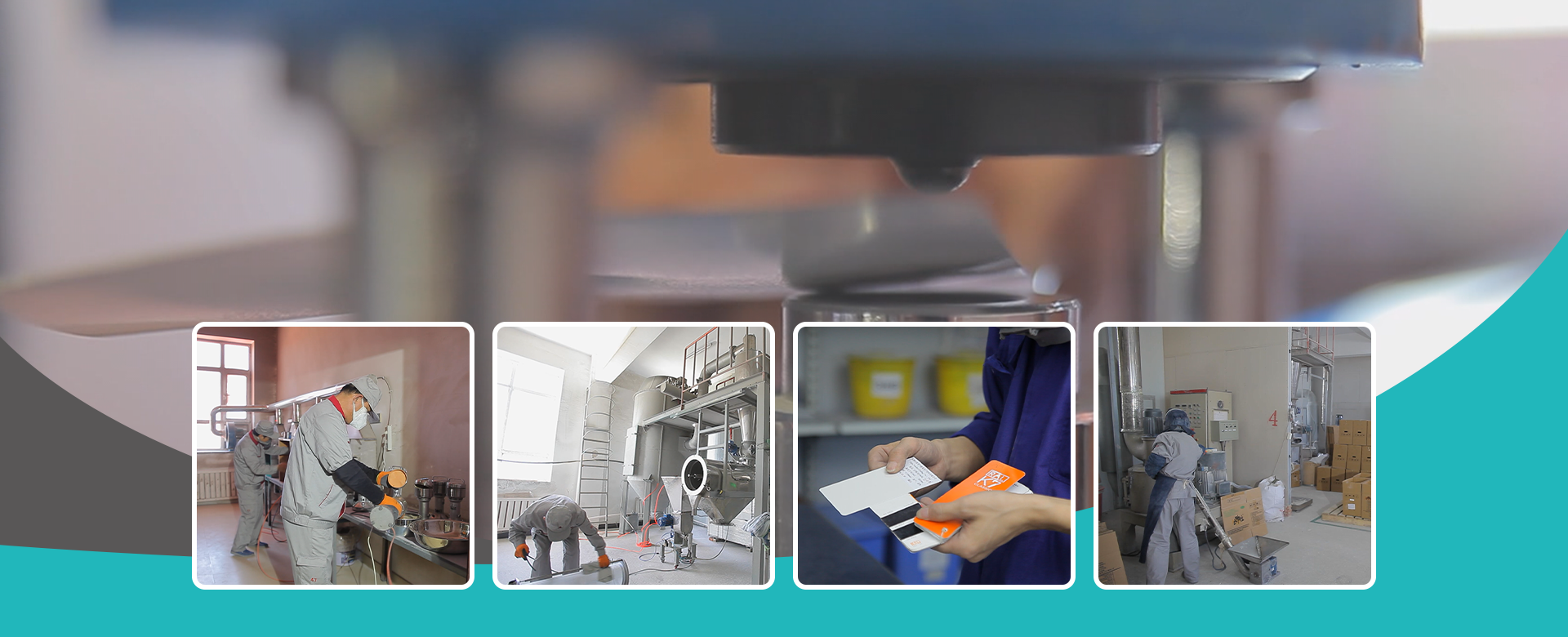
When sourcing powder coating materials or services, several factors ensure you receive quality products and reliable service.
Reputable suppliers maintain international quality standards such as ISO 9001, ISO 14001, and industry-specific certifications. These demonstrate commitment to consistent quality and environmental responsibility. Companies like Guangdong Yajia New Energy-saving Polymer Material Co., Ltd. hold multiple certifications and memberships in quality organizations like Qualisino.
Access to knowledgeable technical staff helps resolve application challenges and optimize coating processes. Suppliers should provide guidance on product selection, application parameters, and troubleshooting.
A comprehensive product catalog allows you to find solutions for diverse applications without managing multiple supplier relationships. Look for suppliers offering various colors, finishes, and specialized formulations.
Established facilities with modern equipment and adequate capacity ensure consistent supply and product quality. Consider suppliers with multiple production locations for supply chain reliability.
Success with powder coating depends on attention to several critical factors throughout the process.
Regular maintenance of spray guns, curing ovens, and powder delivery systems prevents application defects and ensures consistent results. Clean equipment thoroughly between color changes to avoid contamination.
Temperature and humidity affect powder flow characteristics and cure rates. Maintain consistent conditions within your coating facility for predictable results.
Use appropriate measurement tools to verify coating thickness meets specifications. Too thin compromises protection; too thick wastes material and may cause brittleness.
Adhere to recommended time and temperature profiles for complete cross-linking. Under-cured coatings lack proper mechanical properties and chemical resistance.
Electrostatic powder coating represents a mature, proven technology that delivers outstanding results across countless applications. Its combination of durability, environmental friendliness, and aesthetic versatility makes it an intelligent choice for projects requiring long-lasting, attractive finishes.
Whether you're coating architectural aluminum, automotive components, or industrial equipment, partnering with an experienced supplier ensures access to quality products and expertise. Explore the full range of powder coating solutions available and discover how this finishing method can enhance your products' performance and appearance.


